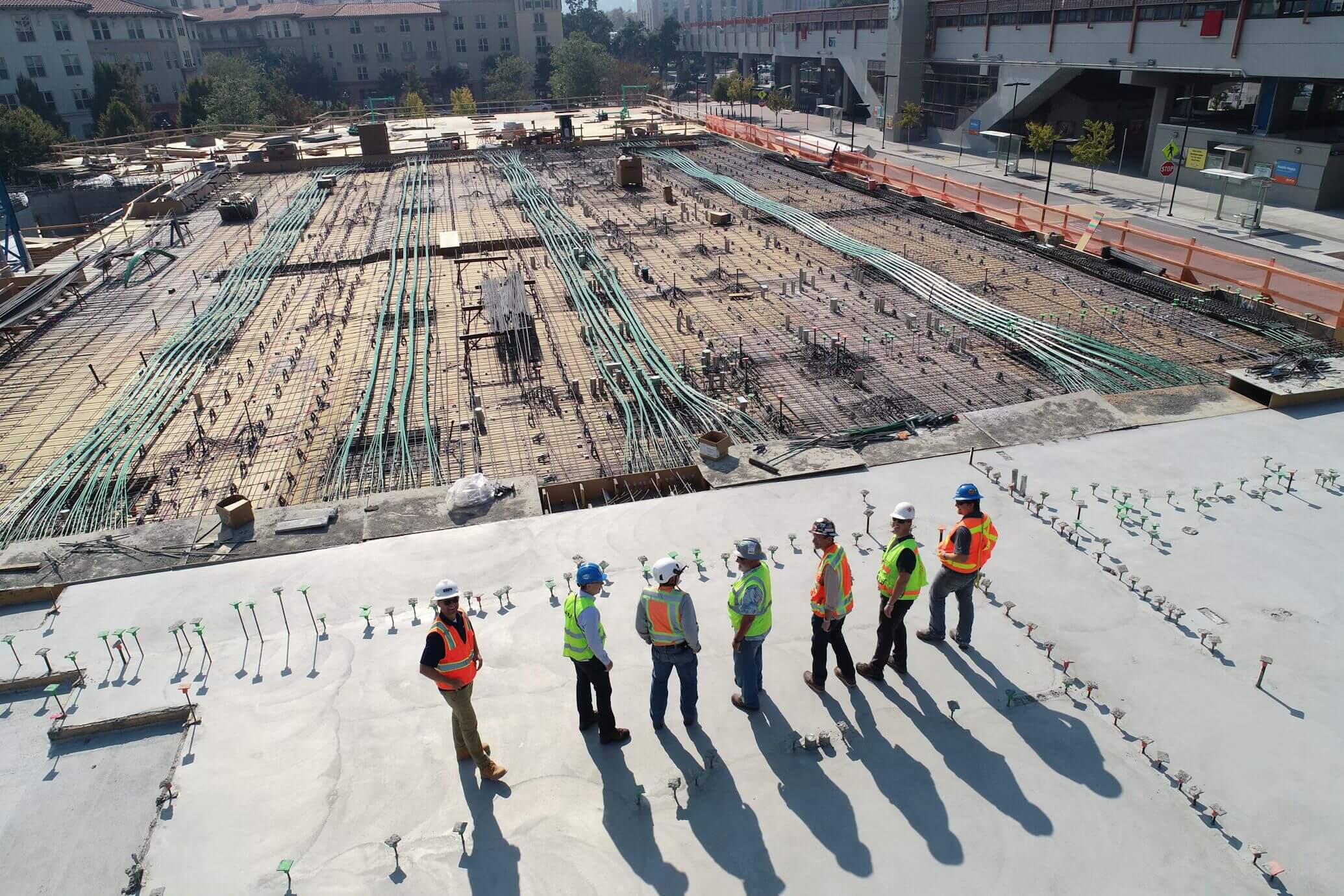
Workplace Safety Regulations: Why Proper Protective Clothing Matters
For Firefighters, Construction Workers, and Industrial Professionals
Workplace safety regulations exist for one critical reason: to prevent injuries and save lives. For firefighters, construction workers, industrial professionals, and other workers in hazardous environments, proper protective clothing isn’t optional—it’s a legal requirement and a fundamental necessity for survival on the job.
The Legal Foundation of Workplace Safety
OSHA and Worker Protection Rights
The Occupational Safety and Health Administration (OSHA) was established in 1970. This landmark legislation gave workers a fundamental right: the right to a safe and healthful working environment.
Under OSHA regulations, employers must:
- Identify workplace hazards
- Provide appropriate protective equipment at no cost to workers
- Ensure workers receive training on equipment use
- Maintain equipment in good working condition
- Document safety practices and incidents
⚡ Key Point
Workers cannot be forced to purchase their own safety gear or work without proper protection. This is a legal requirement, not a suggestion.
Industry-Specific Safety Regulations
🚒 Fire Service Regulations (NFPA Standards)
Firefighting is one of the most heavily regulated professions. Fire departments must comply with NFPA (National Fire Protection Association) standards, particularly NFPA 1971, which specifies:
Flame Resistance
Protective pants and coats must meet specific flame-resistance ratings.
Extreme Heat
Gear must withstand extreme heat and direct flame exposure.
System Integration
All components must work together as a complete protective system.
Inspection Schedule
Regular inspection and replacement schedules are mandatory.
Legal Consequences
Fire chiefs and department administrators face serious liability if they outfit firefighters with non-compliant gear. Injuries with substandard equipment can result in lawsuits, fines, and criminal charges.
🏗️ Construction Industry Regulations
The construction industry operates under OSHA’s general duty clause. Requirements depend on specific hazards:
- Flame-resistant clothing for welding or hot work
- Water-resistant gear for wet environments
- High-visibility clothing for roadside work
- All gear must meet ANSI or recognized standards
Construction companies that fail to provide compliant gear also face: work stoppage orders, increased insurance costs, reputational damage, and civil liability for worker injuries.
🏭 Industrial & Manufacturing Standards
ANSI/ISEA standards cover diverse hazards:
- Chemical splash protection
- Arc flash protection
- High-visibility requirements
- Cold weather protection
- Thermal hazard protection
Employers must conduct hazard assessments and provide appropriate clothing for each worker’s specific environment.
Why These Regulations Matter: The Human Cost
Regulations aren’t created in a vacuum. They’re developed based on documented workplace injuries and deaths.
5,000+
Worker deaths annually in the US
$170B+
Annual cost of workplace injuries
✓ When Workers Wear Compliant Protective Gear
The Employer’s Legal Responsibility
Four Critical Obligations
1️⃣ Assessment
Identify hazards and determine required protective equipment. This is non-negotiable.
2️⃣ Provision
Provide all necessary protective equipment at no cost to workers. Workers cannot be required to purchase safety gear.
3️⃣ Training
Train workers on when to use equipment, how to wear it, limitations, proper care, and replacement schedules.
4️⃣ Documentation
Document all safety practices, training records, and incident reports. Keep available for OSHA inspection.
Serious Consequences for Non-Compliance
💰 Financial Penalties
OSHA fines can reach hundreds of thousands of dollars. Civil lawsuits from injured workers settle in the millions.
⚖️ Criminal Liability
Negligence resulting in worker death can lead to criminal charges and imprisonment.
📈 Insurance Issues
Insurance premiums skyrocket for companies with poor safety records. Some insurers refuse coverage.
🚫 Operational Disruption
OSHA can shut down work areas or entire operations until hazards are corrected.
💔 Reputational Damage
Companies known for poor safety records struggle to recruit and retain quality workers. Trust is lost.
Worker Rights & Responsibilities
Your Rights as a Worker
Your Responsibilities
Real-World Impact of Compliance
🚒 Case Study: Fire Department
A fire department invests in NFPA-compliant protective pants, coats, and gloves. When a firefighter is exposed to extreme heat and flames, this compliant gear means the difference between a minor thermal injury and third-degree burns requiring hospitalization.
Cost of compliant gear: $2,000–$3,000 per firefighter
Cost of treating severe burn injuries: $100,000+ with lifetime disability
🏗️ Case Study: Construction Company
A construction company requires workers to wear compliant water-resistant and flame-resistant pants for hot-work operations. Result:
- Fewer workers’ compensation claims
- Lower insurance premiums
- Improved worker morale and retention
- Better safety culture across the organization
- Full OSHA compliance
Staying Compliant: Your Action Items
If You’re an Employer or Supervisor:
- Conduct a hazard assessment for your specific work environment
- Identify required protective equipment based on potential hazards
- Select certified, compliant gear meeting applicable standards
- Provide gear at no cost to workers
- Train all workers on proper use, care, and limitations
- Establish replacement schedules and maintenance procedures
- Document everything for regulatory compliance
- Stay current on regulatory changes and new standards
If You’re a Worker:
- Understand your rights to safe working conditions
- Use compliant protective gear as trained
- Report hazards and damaged equipment immediately
- Participate in required safety training
- Ask questions if unsure about proper equipment use
- Know you can report violations without fear of retaliation
Safety is a Shared Responsibility
Workplace safety regulations requiring proper protective clothing exist because lives depend on it. Firefighters, construction workers, and industrial professionals all depend on compliant protective gear every single day.
These regulations represent decades of research and real-world incident analysis. Prevention is always better than injury.
In hazardous professions, compliance with safety regulations isn’t a bureaucratic burden—it’s the foundation of a culture that values human life.